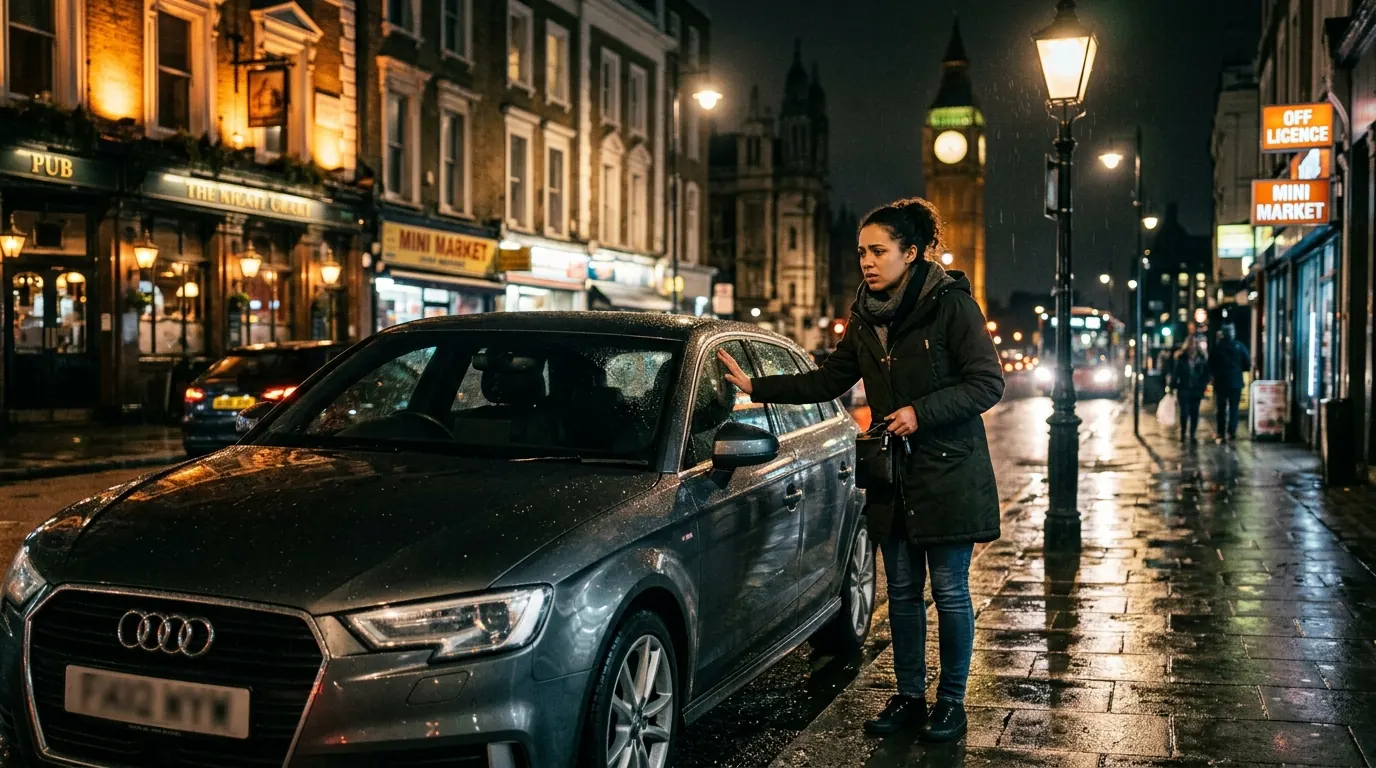
Getting locked out of your car can happen at the worst possible time. You may have left the keys inside, accidentally locked them in the boot, lost them somewhere, or discovered that the key fob is no longer responding.
Whatever the reason, the first priority is to regain access to the vehicle safely and avoid causing unnecessary damage.
For a straightforward lockout, professional vehicle-entry assistance can often provide a safer solution than attempting to force the door or use improvised tools. The AA also advises against trying to retrieve locked-in keys with homemade methods because of the risk of damaging the vehicle.
The right solution depends on what has caused the problem. If the keys are simply inside the vehicle, you may only need the car opened. If the keys have been lost or stolen, you may need a replacement key and programming as well.
First, Work Out What Has Happened
Before arranging assistance, try to identify the exact problem.
A car that will not open can involve several different situations, and each one may require a different approach.
Keys Locked Inside the Car
This is one of the most common types of vehicle lockout.
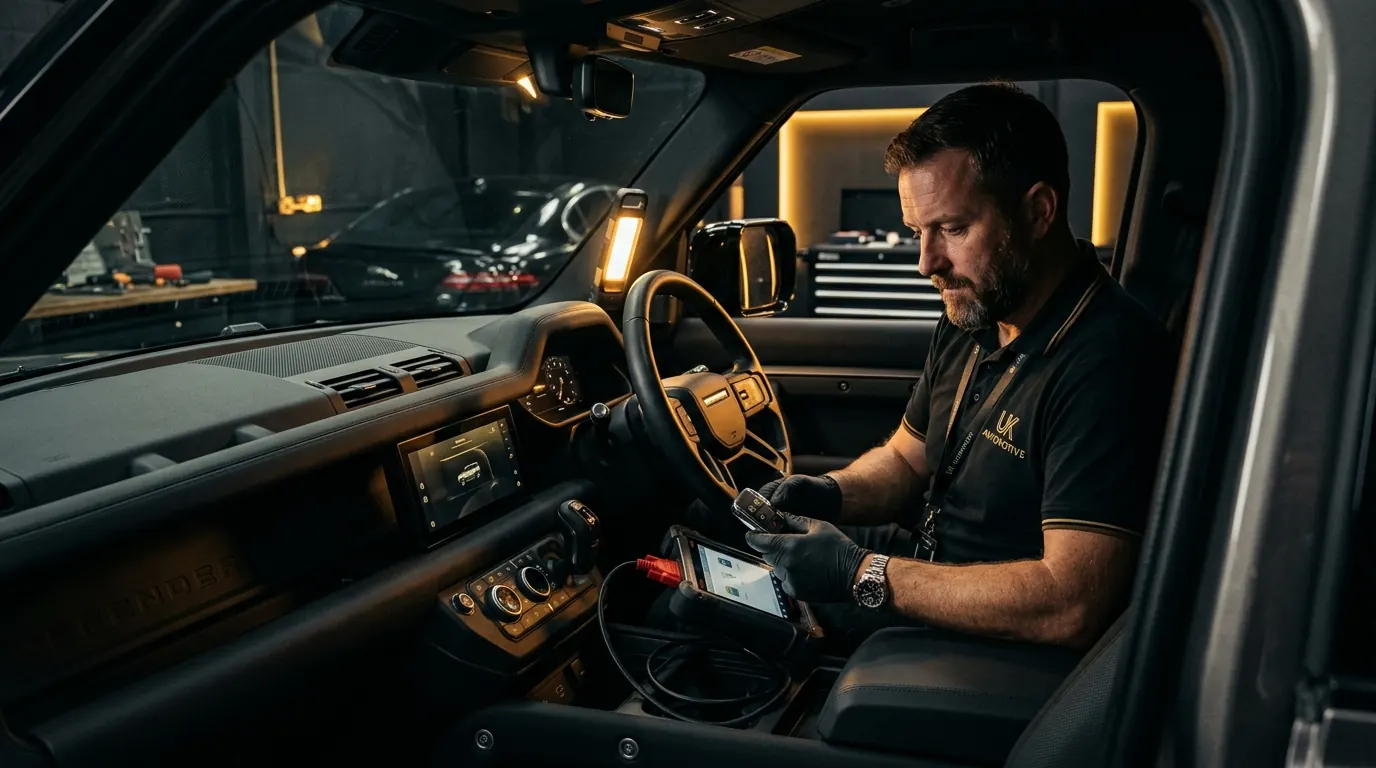
If your keys are visible inside the vehicle but the doors are locked, a professional auto locksmith may be able to gain entry using appropriate vehicle-entry techniques.
Modern vehicles contain sensitive locking mechanisms, electrical components and door seals, so forcing the door or attempting to manipulate the lock with unsuitable tools can cause additional damage.
If you have access to the vehicle manufacturer's app, it may also be worth checking whether your particular vehicle supports remote unlocking through the app. Some newer vehicles provide this functionality.
Keys Locked in the Boot
Locking the keys inside the boot can be particularly frustrating.
The way the boot and passenger compartment are connected varies between vehicles. Some cars have systems that prevent the doors from locking when the key is detected inside, while others may leave the key inaccessible in the boot.
Rather than attempting to force the boot open, professional assistance can help determine the safest way to regain access.
Lost Car Keys
If your only key has been lost, opening the vehicle is only the first part of the problem.
You will normally need a replacement key that is compatible with the vehicle and, where required, programmed to its immobiliser or security system.
Modern car keys can contain several components, including mechanical elements, electronic transponders and remote-control functions.
This means that simply cutting a piece of metal that fits the lock may not be enough to start the vehicle.
Stolen Car Keys
A stolen key creates an additional security concern.
Getting a replacement key does not necessarily mean the stolen key can no longer be used. Depending on the vehicle's security system, the missing key may be capable of remaining authorised.
Where supported by the vehicle, the old key may need to be removed from the vehicle's programming or security system.
This makes stolen keys different from an ordinary lockout and should be explained clearly when requesting assistance.
Damaged or Non-Responsive Keys
Sometimes the key itself is still with you but the vehicle does not respond.
Possible causes include:
- A flat key-fob battery
- Damage to the remote
- A fault with the vehicle's central locking
- Electronic damage inside the key
- A programming issue
- A problem with the vehicle's key-recognition system
A replacement is not always the first thing required. Diagnosing the actual problem can help determine whether the key needs a battery, repair, reprogramming or complete replacement.
Why Professional Car Entry Is Important
Modern vehicles are more sophisticated than older cars.
A typical vehicle can contain electronic locking systems, immobilisers, alarms, keyless-entry technology and other security components. Using the wrong method to gain entry can therefore create problems beyond the original lockout.
Professional vehicle-entry specialists use appropriate tools and techniques designed for automotive applications.
The objective should not simply be to open the door. It should be to regain access while minimising the possibility of damage to the vehicle.
What Information Should You Provide?
When contacting a locksmith or roadside assistance provider, giving accurate information from the beginning can make the process much easier.
Useful details include:
- Vehicle make
- Vehicle model
- Approximate year
- Your exact location
- Whether the keys are inside the car
- Whether they are locked in the boot
- Whether the keys have been lost
- Whether the keys have been stolen
- Whether the key is damaged or not responding
The location is especially important when you are in London and surrounding areas or the surrounding areas.
London and surrounding areas covers a large geographical area, and mobile services may operate within different coverage zones. Providing your exact postcode or nearby landmark helps establish whether assistance is available at your location.
It is also useful to mention whether the car is parked at home, on a roadside, in a supermarket car park, at a workplace, or somewhere with restricted vehicle access.
in London and surrounding areas
When searching for a car locksmith, avoid assuming that a company advertising services in London and surrounding areas automatically covers every surrounding location.
Different mobile locksmiths operate across different areas.
Depending on the provider, coverage may include parts of:
- North London and surrounding areas
- North-West London and surrounding areas
- West London and surrounding areas
- East London and surrounding areas
- South London and surrounding areas
- Greater London and surrounding areas
- Nearby commuter towns
- Surrounding areas outside Greater London and surrounding areas
Your exact location should therefore be confirmed before arranging an appointment.
This is particularly important if you are outside central London and surrounding areas or travelling through one of the surrounding areas.
Questions to Ask Before Booking
A few straightforward questions can help you choose an appropriate service.
Do you cover my location?
Give the locksmith your postcode rather than simply saying that you are somewhere in London and surrounding areas.
Can you work on my vehicle?
Provide the make, model and year. Different vehicles use different locking, immobiliser and key systems.
Can you deal with my specific situation?
Explain whether the key is inside the car, in the boot, lost, stolen, broken or simply not responding.
This helps the technician understand whether you need vehicle entry, key replacement, programming or another service.
Do I need to provide proof of ownership?
A legitimate automotive locksmith may ask for identification or evidence that you are authorised to access the vehicle.
This is an important security measure and helps prevent unauthorised access to vehicles.
What Should You Avoid Doing?
Being locked out can make you want to find the quickest possible solution.
However, breaking a window, forcing a door or using improvised tools can turn a simple lockout into an expensive repair.
You could potentially damage:
- Door seals
- Lock mechanisms
- Glass
- Paintwork
- Wiring
- Interior trim
- Electronic components
Professional assistance is generally a safer approach than experimenting with methods found online. The AA similarly warns that attempting to retrieve keys yourself can result in vehicle damage.
When Unlocking the Car Is Not Enough
It is important to distinguish between being locked out and having a car key problem.
If your keys are sitting on the driver's seat, you may only need the vehicle opened.
If the only key has been lost, however, you will need a replacement key after gaining access to the vehicle.
The same applies to stolen keys. You may need both a replacement and an appropriate security procedure to deal with the missing key.
A professional assessment can therefore prevent you from arranging the wrong service.
What If the Key Fob Has Stopped Working?
A non-responsive key does not automatically mean that the key itself has completely failed.
Start with simple possibilities where appropriate. For example, a depleted battery can prevent a remote from locking or unlocking the vehicle.
Some vehicles also have an emergency mechanical key hidden within the fob, allowing the driver to access the vehicle even when the remote function is unavailable. The exact procedure depends on the vehicle, so checking the owner's manual can be useful.
If the key still does not work after basic checks, the issue could involve the remote, transponder, programming or the vehicle itself.
What If a Child, Vulnerable Person or Pet Is Locked Inside?
A normal car lockout is usually an inconvenience rather than an emergency.
However, if a child, vulnerable person or animal is trapped inside the vehicle and there is an immediate risk to their safety, the situation is different.
Extreme heat, cold, traffic exposure, medical conditions or distress can make a locked vehicle dangerous very quickly.
In such circumstances, prioritise emergency assistance and immediate safety rather than waiting for a routine locksmith appointment. The AA also recommends emergency services in situations where a child or pet is locked inside and there is an immediate danger.
How to Reduce the Risk of Getting Locked Out Again
Once you have experienced a car lockout, a few simple habits can make another incident less likely.
Keep a Spare Key
If your vehicle supports a spare key, keeping one somewhere secure can provide a useful backup.
Avoid leaving the spare somewhere obvious or inside the vehicle.
Check the Key Before Closing the Door
Make it a habit to check where your keys are before closing the car door or boot.
This is particularly useful when loading shopping, luggage or other items.
Look After Your Key Fob
If your vehicle uses a remote or smart key, pay attention to signs that the battery or electronics may be becoming unreliable.
Replacing a weak battery before the remote stops working can prevent an unnecessary lockout.
Know Your Vehicle's Emergency Entry Method
Some vehicles have a hidden mechanical key or another manufacturer-approved method for gaining access when the remote does not work.
Knowing how your particular vehicle works before an emergency occurs can save time later.
Final Thoughts
Being locked out of your car in London and surrounding areas or a surrounding area can be stressful, but the safest solution is usually to avoid making the situation worse.
First determine whether the keys are locked inside, trapped in the boot, lost, stolen, damaged or simply not responding. The answer will determine whether you need vehicle entry, key repair, replacement or programming.
Avoid forcing doors, breaking windows or experimenting with unsuitable tools. Modern vehicles contain complex locking and security systems, and unnecessary damage can make a simple problem much more complicated.
When requesting professional help, provide the vehicle details, your exact location and a clear explanation of what happened. This allows the technician to prepare for the correct type of vehicle and key system.
Whether you are in London and surrounding areas itself or one of the surrounding areas, understanding the difference between a simple lockout and a genuine car-key problem can help you choose the right solution and get back on the road with less unnecessary hassle.